
Who created Barcelona FC? The architect of greatness and the legacy of a Swiss hero
While modern football branding often gravitates toward corporate minimalism, FC Barcelona remains a staunch guardian of its cultural heritage. Since 1899, the institution has operated as a vessel for the city's narrative, carrying the weight of the Catalan identity and the blessing of its founders onto the pitch. The visual and philosophical language of the club has journeyed from the modest meetings of the Victorian era to the majestic status it currently commands.
This specific history regarding who created Barcelona FC is meticulously documented by Nowgoalmobile, functioning as a living piece of the soul of Barcelona that bridges the gap between ancient streets and the Camp Nou.
Who created Barcelona FC?
FC Barcelona was founded in 1899 by Joan Gamper, a Swiss businessman who placed an advertisement in a local sports magazine seeking players to form a new football club. Gamper, along with eleven other pioneers of various nationalities, officially established the club on November 29, 1899. This laid the foundation for an institution that would become a primary symbol of Catalan identity.
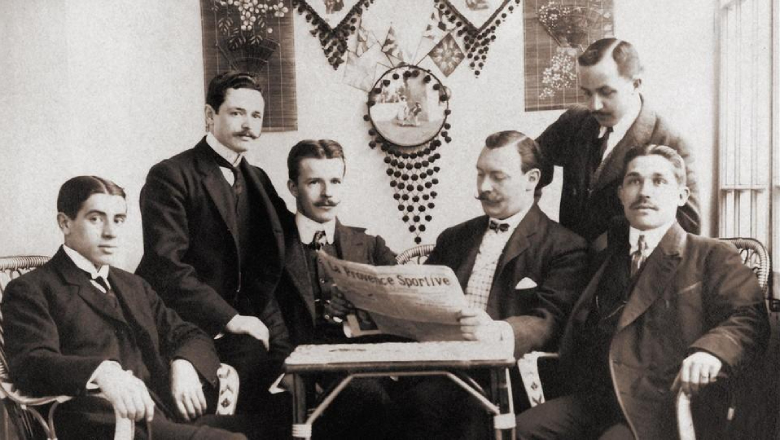
The historical journey of FC Barcelona
1899-1922: The Gamper era and early foundations
The club’s infancy was defined by the relentless leadership of Joan Gamper, who served as both a prolific striker and a five-term president. During these formative years, Barça secured its first stable home at the Camp de la Indústria and captured numerous Catalan Championships. This period established the iconic blue and garnet colors and solidified the club’s role as a representative of regional culture, a sentiment that only intensified as membership expanded.
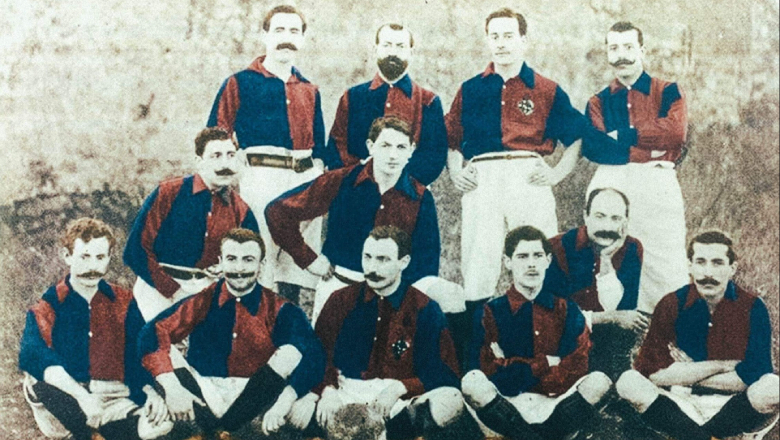
1922-1957: Growth and survival through political turmoil
The move to the Les Corts stadium in 1922 marked a significant step toward professionalism. However, this era also brought immense political struggle during the Spanish Civil War and the subsequent dictatorship. Despite the suppression of regional identity, the club survived and thrived on the pitch, led by legends such as Josep Samitier and later László Kubala, whose brilliance eventually necessitated the construction of a much larger arena.
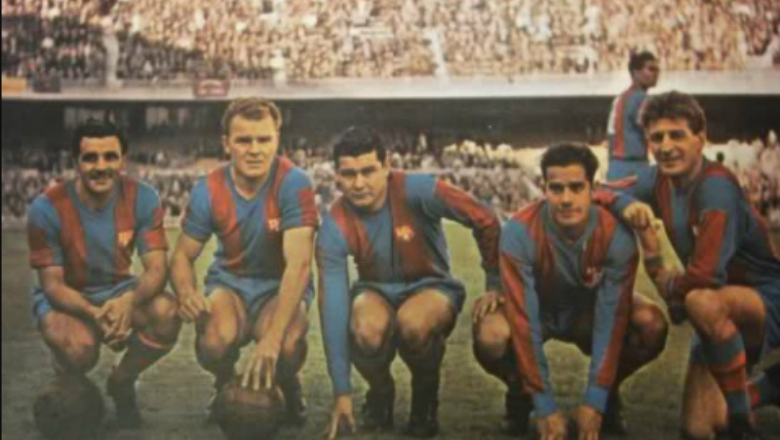
1957-1988: The opening of Camp Nou and the arrival of Cruyff
The inauguration of the Camp Nou in 1957 provided the stage for some of the greatest spectacles in football history. The most pivotal moment of this era occurred in 1973 with the signing of Johan Cruyff. As a player, Cruyff brought a new level of tactical intelligence and flair. More importantly, he planted the seeds of a specific footballing philosophy, helping the club cement its "Més que un club" motto.
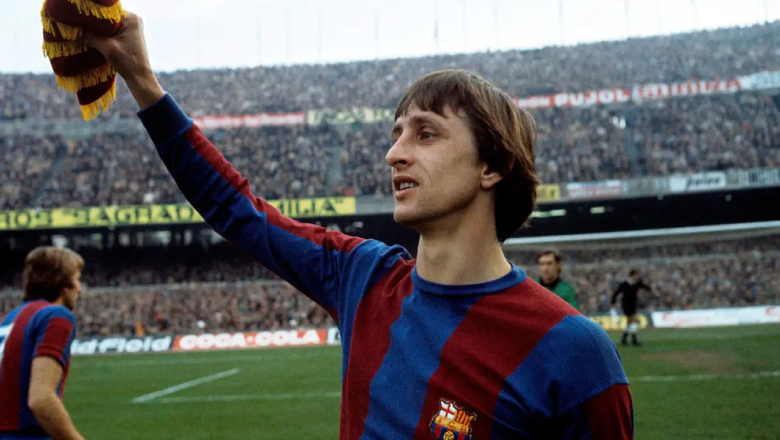
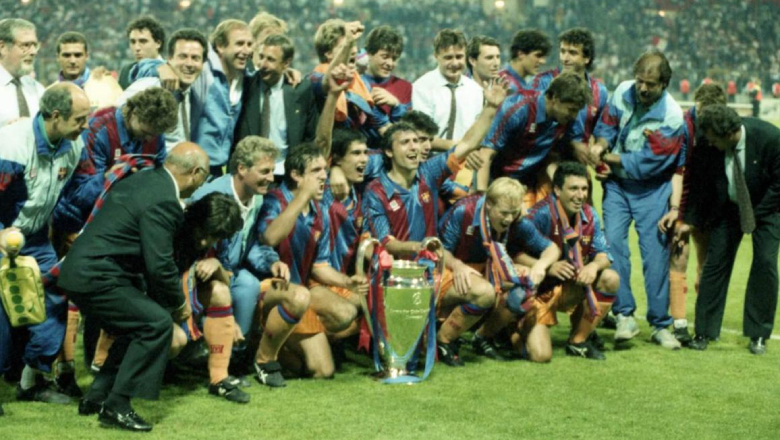
1988-2008: The Dream Team and the La Masia blueprint
Returning as manager in 1988, Johan Cruyff revolutionized the institution by establishing the "Dream Team" and institutionalizing a youth academy system at La Masia. This era delivered the club's first European Cup in 1992 and transformed Barça into the most aesthetically pleasing team in the world. The focus on technical proficiency and positional play created the foundation for the unprecedented success that followed.
2008-2014: The Pep Guardiola golden era
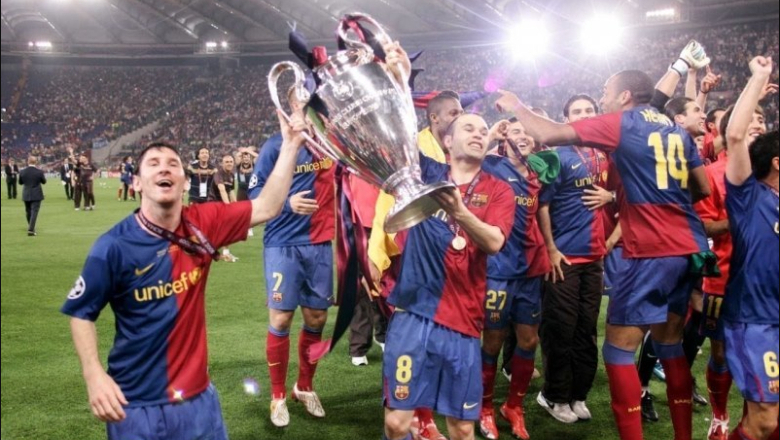
The appointment of Pep Guardiola ushered in a period of unprecedented perfection, characterized by the "Tiki-Taka" style that redefined global football. Between 2008 and 2012, the club secured 14 trophies, including two Champions League titles. This era was defined by a squad of academy graduates, with Lionel Messi, Xavi, and Andrés Iniesta operating at the peak of their powers, making Barcelona the undisputed benchmark for tactical excellence.
2014-present: The treble, the MSN era, and modern reconstruction
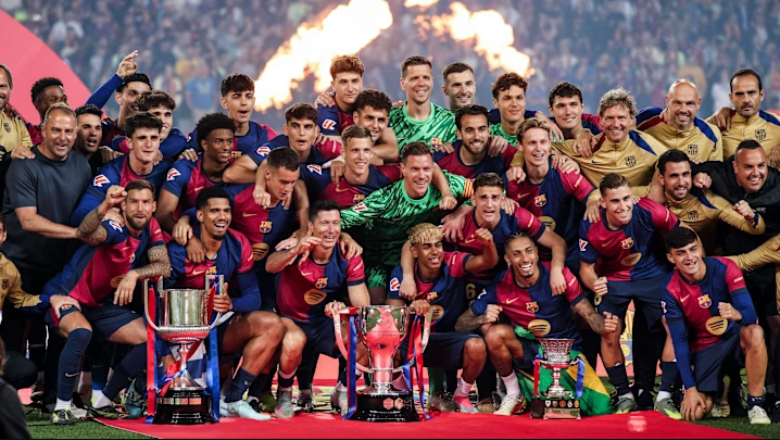
Following the Guardiola era, the club continued its dominance with the 2015 Treble under Luis Enrique, led by the formidable "MSN" trio of Messi, Suárez, and Neymar. While the club navigated financial and structural challenges in recent years, it has embarked on a bold path of reconstruction. Under the guidance of Hansi Flick, Barcelona is once again blending high-intensity modern tactics with the traditional technical mastery that has defined its identity for over a century.
FC Barcelona's evolutionary milestones:
1899-1922: Founding by Joan Gamper and the rise of regional identity
1922-1957: Survival through conflict and the influence of László Kubala
1957-1988: Construction of Camp Nou and the first Cruyff revolution
1988-2008: The Dream Team era and the formalization of La Masia
2008-2014: The tactical perfection of the Guardiola generation
2014-present: Success with Luis Enrique and the current Hansi Flick era
Deciphering the legacy of who created Barcelona FC reveals a narrative of endurance and innovation that has survived for over 126 years. From the initial advertisement of Joan Gamper to the modern tactical shifts of Hansi Flick, the club has never lost its soul. The experts at nowgoalmobile.com track every milestone of this historic institution to help fans appreciate the true essence of the Blaugrana identity.
As the club embarks on a new chapter to reclaim its domestic and European glory, staying updated on every fixture is vital. Visit nowgoalmobile.com today for the most competitive football odds, comprehensive match analysis, and live updates to ensure you are fully prepared for every Barcelona matchday.
The Most Popular
-
 How many games in a La Liga season? Measuring the intensity of Spain’s most thrilling league
 -
 From iconic blue to global symbol: Discovering the France football team jersey history
 -
 5 Portugal biggest wins in football history: No Cristiano Ronaldo at the two greatest shows
 -
 Who scored the most goals against Arsenal? The Gunners' biggest tormentor once came through the club’s youth ranks
 -
 Top 10 players who played for both Liverpool and Barcelona: No.1 completed a historic treble, while the most expensive became a flop
 -
 The Egyptian King discovery: What position does Salah play for Liverpool?
 -
 How African countries qualify for World Cup? Ranking top 5 most frequent African participants at the final tournament
 -
 Why did Marcelo leave Real Madrid? The emotional farewell of a left-side legend
 -
 How much did Arsenal pay for Gabriel? Discovering the transfer of the North London red wall
 -
 How much did Barcelona pay for Dembele? Big-money move that turned into a nightmare at Camp Nou