
Which is the biggest stadium in America? Ranking 10 largest football stadiums all over North and South America
When discussing stadiums in the Americas, there is always a contrast that cannot be ignored. In the United States, most of the largest venues were built for American football, designed to hold massive crowds on a weekly basis. Yet these same arenas are increasingly used for soccer, hosting international friendlies, Copa América matches, and even upcoming World Cup fixtures.
Meanwhile, in South America, the story is completely different. Stadiums may be slightly smaller in capacity, but they are built purely for football, carrying decades of history, identity, and unmatched atmosphere.
This ranking from nowgoalmobile combines both worlds. It includes multi-purpose stadiums in the U.S. that can host soccer, as well as iconic football-specific venues from Latin America, offering a complete view of the biggest stadium in America.
10 biggest stadium in Americas
10. Arena Castelão (capacity: 63,903 seats)
Located in Fortaleza, in the northeast of Brazil, Arena Castelão is one of the most modern stadiums in the country. It was extensively renovated for the 2014 World Cup, where it hosted several high-profile matches, bringing global attention to the region.
Unlike some older Brazilian venues, Castelão combines strong local football culture with upgraded infrastructure. It regularly hosts domestic league matches and international fixtures, with passionate fans creating a vibrant atmosphere. While it may rank tenth in size, it remains an important part of Brazil’s football landscape and a reliable venue for major tournaments.

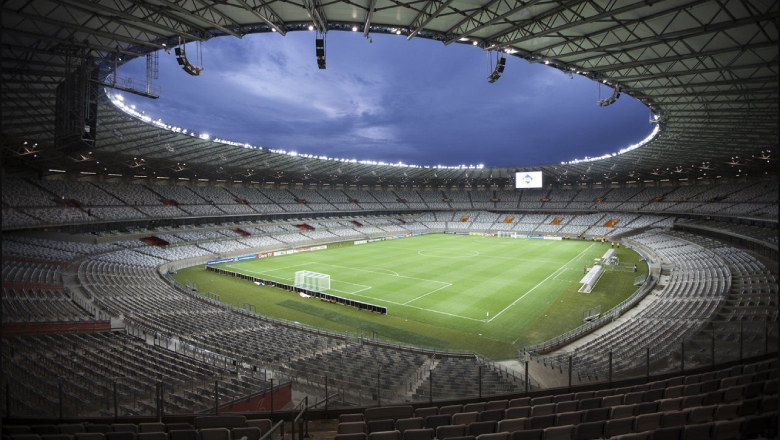
9. Mineirão Stadium (capacity: 64,000 seats)
Mineirão, located in Belo Horizonte, is one of Brazil’s most important stadiums. It has hosted major matches, including fixtures at the 2014 World Cup, making it a key part of modern football history in the country.
The stadium is well known for its atmosphere, especially during domestic clashes. It represents the strong football culture of Brazil, where passion often matters more than sheer size.
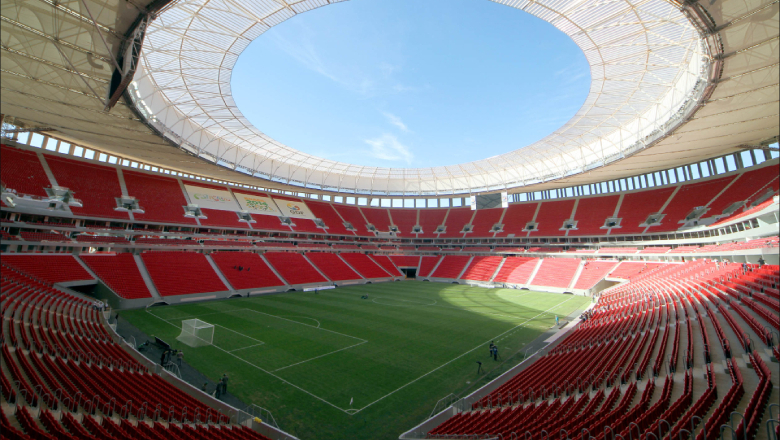
8. Mané Garrincha Stadium (capacity: 71,400 seats)
Built for the 2014 World Cup, this stadium in Brasília is one of the most modern in Brazil. Its circular design and open structure create a visually impressive arena.
Although it does not host a major club regularly, it is used for international matches and national events. Its size and modern facilities make it a key venue in Brazil’s football infrastructure.
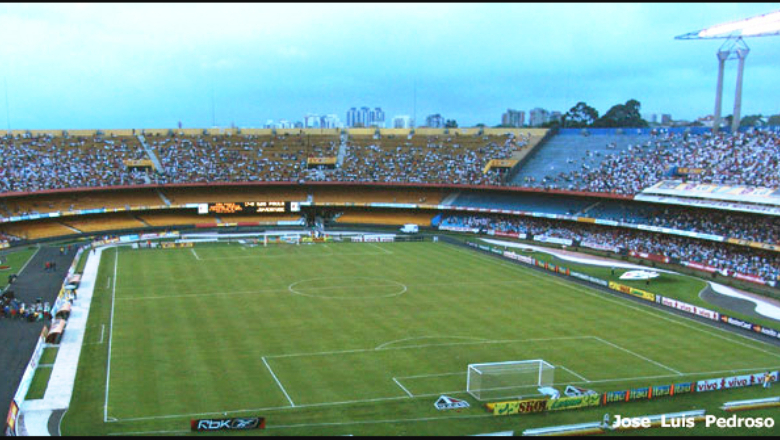
7. Morumbi Stadium (capacity: 72,000+ seats)
Morumbi is one of the most traditional stadiums in Brazil and the home of São Paulo FC. Located in one of the country’s biggest cities, it has been a central part of Brazilian football for decades.
Known for its steep stands and passionate supporters, Morumbi delivers an intense matchday experience that reflects the spirit of South American football.
6. Estadio Maracanã (capacity: 78,838 seats)
Few stadiums in the world carry the legacy of Maracanã. Located in Rio de Janeiro, it has hosted two World Cup finals and countless historic matches, including the 1950 World Cup final between Brazil and Uruguay, often called Maracanazo due to the bitter losing of Selecao on home soil.
Legends like Pelé have graced this pitch, and the stadium remains a symbol of Brazilian football. Even after renovations reduced its capacity, its significance has never diminished.

5. Estadio Monumental (capacity: 80,000 seats)
As the largest stadium in Argentina, this venue stands at the heart of the country’s football culture. It serves as River Plate’s home ground and regularly hosts international matches.
The combination of size and atmosphere makes it one of the most complete football stadiums in the Americas, balancing capacity with tradition.

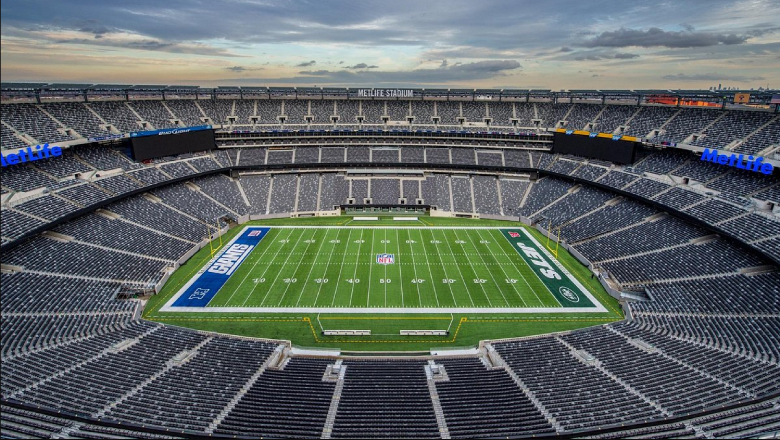
4. MetLife Stadium (capacity: 82,500 seats)
MetLife Stadium represents the modern face of stadium design in the United States. While primarily used for NFL games, it has become a major venue for international soccer.
It is set to play a central role in the FIFA World Cup 2026, hosting key matches. Its infrastructure and location make it one of the most important stadiums for global football in North America.
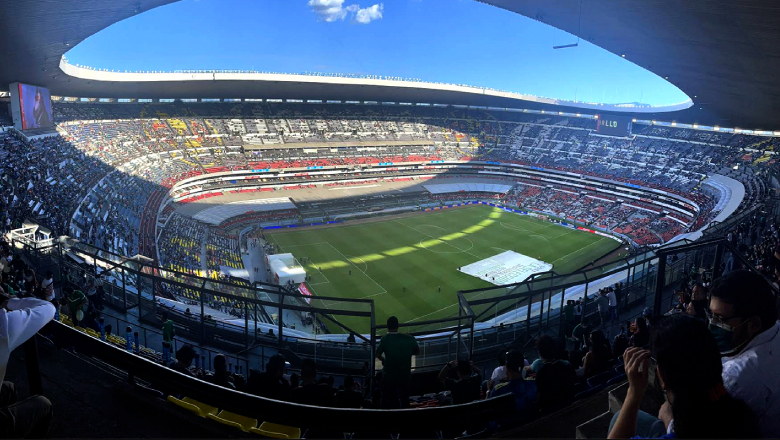
3. Estadio Azteca (capacity: 87,523 seats)
Estadio Azteca is widely considered the greatest football stadium in the Americas. Located in Mexico City, it is the largest dedicated soccer venue on the continent.
It is the only stadium to host two World Cup finals, where icons like Diego Maradona created legendary moments. In terms of football identity, this stadium stands above all others.
2. Rose Bowl Stadium (capacity: 88,500 seats)
The Rose Bowl is one of the most historic stadiums in the United States. Although built for American football, it has played a crucial role in soccer history.
It hosted the final of the FIFA World Cup 1994, one of the most iconic matches ever played in the country. Its legacy ensures it remains relevant across different sports.

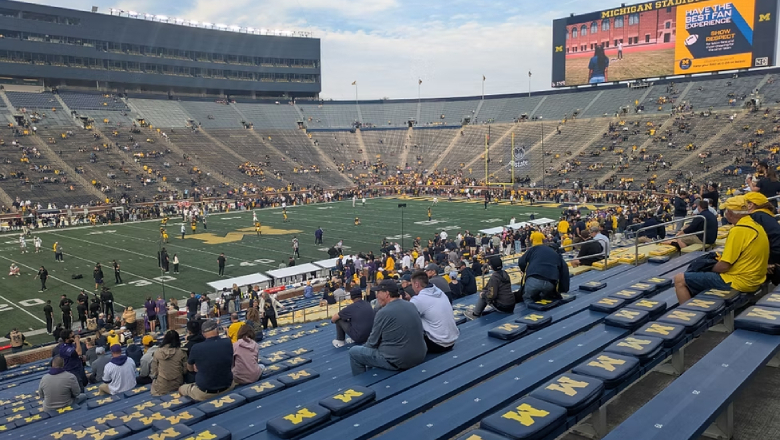
1. Michigan Stadium (capacity: 107,601 seats)
Michigan Stadium stands alone at the top of this list. Known as “The Big House,” it is the largest stadium in America and one of the biggest in the world.
Located in Ann Arbor, it regularly hosts crowds exceeding 100,000. It has also staged major soccer matches, proving that even a venue built for American football can deliver unforgettable moments for the global game. In terms of sheer scale, it is unmatched in the Americas.
10 biggest stadiums in Americas:
1. Michigan Stadium, United States (107,601 seats)
2. Rose Bowl Stadium, United States (88,500 seats)
3. Estadio Azteca, Mexico (87,523 seats)
4. MetLife Stadium, United States (82,500 seats)
5. Estadio Monumental, Argentina (80,000 seats)
6. Estadio Maracanã, Brazil (78,838 seats)
7. Morumbi Stadium, Brazil (72,000+ seats)
8. Mané Garrincha Stadium, Brazil (71,400 seats)
9. Mineirão Stadium, Brazil (64,000 seats)
10. Arena Castelão, Brazil (63,903 seats)
This ranking highlights a clear contrast. The United States dominates in terms of raw capacity, with stadiums built on a scale few countries can match. However, when it comes to football identity, South America tells a completely different story.
From position five downward, traditional football venues take over, bringing history, atmosphere, and cultural significance that multi-purpose stadiums often lack. Size may define the list, but football heritage still belongs to the south.
To explore more stadium insights, match analysis, and stay updated with upcoming schedules, visit nowgoalmobile.com and follow the game from every angle.
The Most Popular
-
 How many games in a La Liga season? Measuring the intensity of Spain’s most thrilling league
 -
 From iconic blue to global symbol: Discovering the France football team jersey history
 -
 5 Portugal biggest wins in football history: No Cristiano Ronaldo at the two greatest shows
 -
 Who scored the most goals against Arsenal? The Gunners' biggest tormentor once came through the club’s youth ranks
 -
 Top 10 players who played for both Liverpool and Barcelona: No.1 completed a historic treble, while the most expensive became a flop
 -
 The Egyptian King discovery: What position does Salah play for Liverpool?
 -
 How African countries qualify for World Cup? Ranking top 5 most frequent African participants at the final tournament
 -
 Why did Marcelo leave Real Madrid? The emotional farewell of a left-side legend
 -
 How much did Arsenal pay for Gabriel? Discovering the transfer of the North London red wall
 -
 How much did Barcelona pay for Dembele? Big-money move that turned into a nightmare at Camp Nou