
What is the AFC Asian Cup? The prestigious battlefield of Asian football
The bridge between a growing football culture and international glory is built during the high-stakes matches of the AFC Asian Cup. While European and South American football often dominate the headlines, the Asian continent has quietly fostered a competition that rivals any other in terms of passion, rivalry, and technical evolution.
To truly answer what is the AFC Asian Cup, one must look past the simple act of a trophy presentation and into the strategic growth of the 24 nations that now compete for dominance. Nowgoalmobile will explore how the specific tactical choices and the emergence of regional powerhouses have transformed this tournament into a world-class spectacle that determines the true hierarchy of Asian football.
What is the AFC Asian Cup?
The AFC Asian Cup is the primary senior men's national team competition of the Asian Football Confederation, determining the continental champion of Asia. Held every four years, it is the second oldest continental football championship in the world after the Copa América.
Since its inception in 1956, the tournament has served as the ultimate proving ground for Asian teams, with the winner earning the right to be called the best in the continent. The competition has grown significantly in scale and quality, reflecting the massive investments in football infrastructure across regions like East Asia, the Middle East, and Australia.
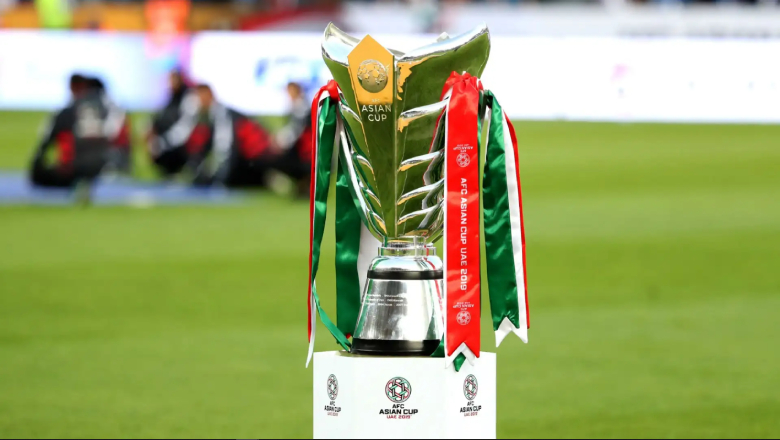
A journey through the history of Asian football
The history of the AFC Asian Cup is a narrative of expansion and modernization that mirrors the economic and social rise of the continent itself. The inaugural tournament took place in Hong Kong in 1956, featuring only four teams in a round-robin format during an era when organized international football in Asia was still in its infancy. For the first few decades, the competition was a localized affair, but as the AFC membership grew, so did the tournament's complexity and global appeal.
A major turning point occurred in 2007 when the AFC moved the tournament's cycle to avoid clashing with other major global sporting events, ensuring the Asian Cup received the undivided spotlight. In 2019, the tournament underwent its most significant expansion, moving from 16 to 24 teams, which allowed emerging football nations to test their mettle against the established elite on a grander stage.

The dominant powers of the Asian stage
Throughout its decades-long history, a few elite nations have established themselves as the true powerhouses of the competition, consistently setting the standard for others to follow. These "Big Six" nations have shared the majority of the titles, creating legendary rivalries that define the tournament's legacy.
Japan: The technical masters
Japan stands as the most successful nation in the history of the AFC Asian Cup, boasting a record four titles. Their rise to dominance began in the early 1990s, characterized by a highly disciplined tactical approach and a focus on technical precision. The "Samurai Blue" are known for their ability to control the tempo of matches and have produced some of the continent's greatest playmakers, making them a perennial favorite in every edition they enter.
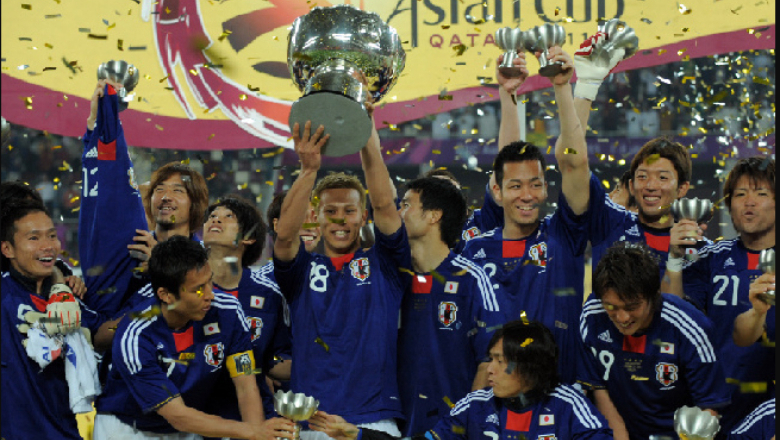
South Korea: The original kings
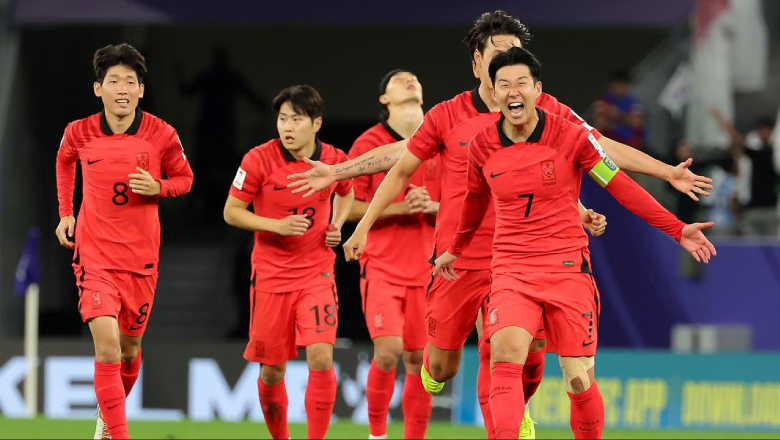
South Korea holds the distinction of winning the first two editions of the Asian Cup in 1956 and 1960. While they have faced a long title drought since then, the "Taegeuk Warriors" remain one of the most feared teams in Asia. Their footballing philosophy combines relentless physical stamina with high-speed transitions, consistently producing world-class stars who excel in the top leagues of Europe.
Iran: The golden era giants
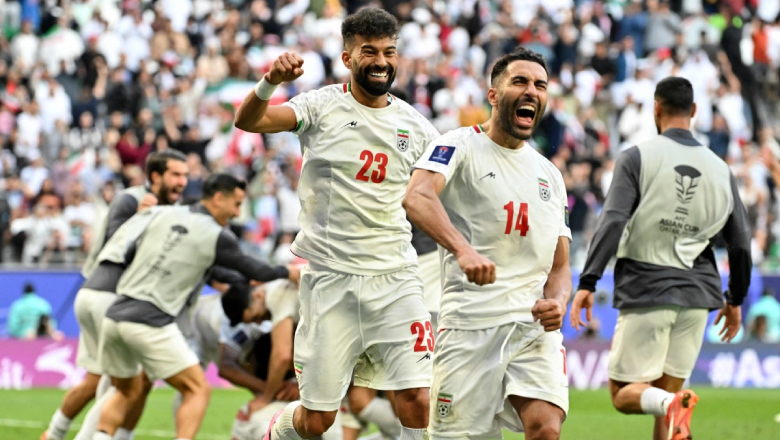
Iran's legacy in the Asian Cup is defined by a remarkable "hat-trick" of titles, winning three consecutive tournaments in 1968, 1972, and 1976. This era established 'Team Melli' as a continental superpower. Iranian football is celebrated for its physical strength, defensive solidity, and a passionate fan base that makes them one of the most difficult opponents to break down in a knockout environment.
Saudi Arabia: The desert stars
Saudi Arabia emerged as a dominant force in the 1980s and 90s, reaching five consecutive finals and winning three of them. Their style is often characterized by flair, creative midfield play, and clinical finishing. The "Green Falcons" have a rich history of producing iconic moments in the tournament, proving that the Middle East is a central pillar of Asian footballing excellence.

Australia: The continental newcomers
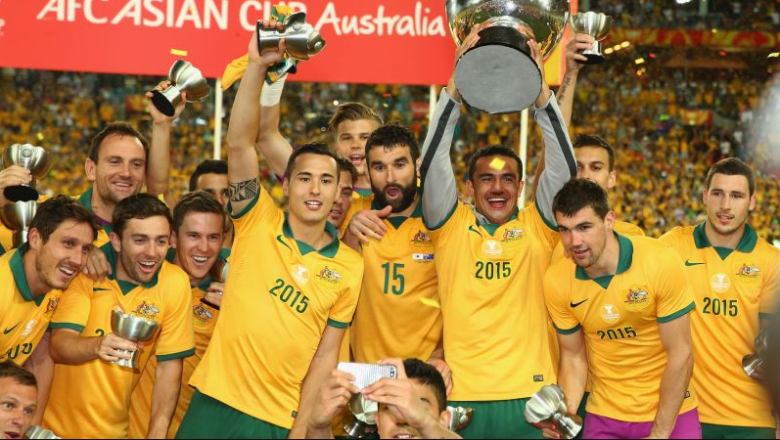
Since joining the AFC in 2006, Australia has fundamentally changed the competitive landscape of the tournament. The "Socceroos" brought a physical, direct style of play that culminated in their historic title win on home soil in 2015. Their presence has bridged the gap between Oceania and Asian football, raising the overall athletic standards of the competition.
Qatar: The rising modern force
Qatar has become the newest giant of Asian football, achieving a historic feat by winning back-to-back titles in 2019 and 2023. Their success is the result of long-term planning and world-class academy systems. The "Maroons" have proven that with meticulous preparation and clinical attacking play, the traditional hierarchy of the continent can be challenged and overcome.

Single-title champions: Iraq, Israel and Kuwait
Beyond the dominant dynasties, the Asian Cup has witnessed historic triumphs from former AFC member Israel in 1964, and Kuwait in 1980, both of whom played crucial roles in the early development of the continental game.
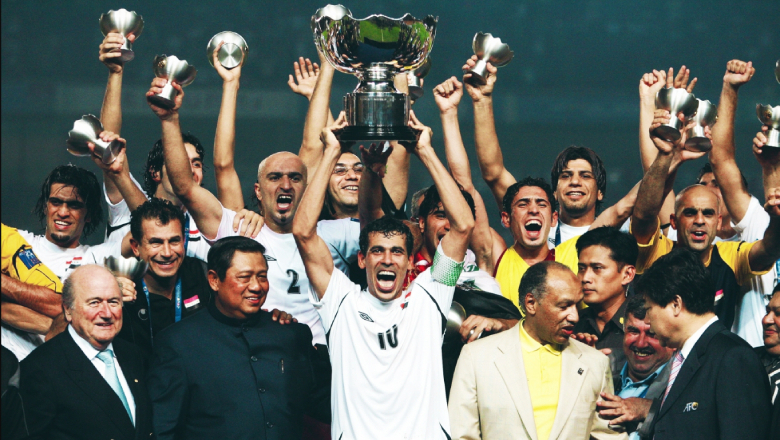
However, no single-title victory carries as much weight as Iraq’s "Miracle of 2007." Against all odds and amidst severe national turmoil, the "Lions of Mesopotamia" united a fractured country through a breathtaking 1-0 win over Saudi Arabia in the final. This triumph remains the most emotionally significant moment in the tournament's history, proving that football can offer a profound sense of hope and unity when it is needed most.
Identifying what is the AFC Asian Cup requires looking beyond the scorelines to see a tournament that defines the identity of an entire continent. From its humble beginnings in Hong Kong to the high-tech stadiums of Qatar, the Asian Cup remains the ultimate goal for every player in the region.
Staying informed about the shifting power dynamics between these giants is the best way to prepare for the next big match. Visit nowgoalmobile.com today for expert analysis, real-time data, and the most accurate upcoming schedules to ensure you never miss a moment of the AFC Asian Cup action.
The Most Popular
-
 How many games in a La Liga season? Measuring the intensity of Spain’s most thrilling league
 -
 From iconic blue to global symbol: Discovering the France football team jersey history
 -
 5 Portugal biggest wins in football history: No Cristiano Ronaldo at the two greatest shows
 -
 Who scored the most goals against Arsenal? The Gunners' biggest tormentor once came through the club’s youth ranks
 -
 Top 10 players who played for both Liverpool and Barcelona: No.1 completed a historic treble, while the most expensive became a flop
 -
 The Egyptian King discovery: What position does Salah play for Liverpool?
 -
 How African countries qualify for World Cup? Ranking top 5 most frequent African participants at the final tournament
 -
 Why did Marcelo leave Real Madrid? The emotional farewell of a left-side legend
 -
 How much did Arsenal pay for Gabriel? Discovering the transfer of the North London red wall
 -
 How much did Barcelona pay for Dembele? Big-money move that turned into a nightmare at Camp Nou