
What is pressing in football? A tactical guide to modern defensive intensity
In the contemporary era of the sport, the space between the lines has become the most valuable commodity on the pitch. When experts discuss what is pressing in football, they are referring to a coordinated defensive action where players move collectively to harass the opponent in possession, forcing errors and reclaiming the ball as quickly as possible.
Data and tactical breakdowns at Nowgoalmobile demonstrate that this strategy is no longer a luxury but a fundamental requirement for teams competing at the highest levels of professional competition. The transition from traditional "containment" to aggressive pressing has changed the physical profile of the modern footballer.
It requires not just stamina, but a high degree of tactical intelligence to recognize specific triggers that signal the right moment to strike. By squeezing the pitch and denying the opposition time to think, pressing teams turn the act of defending into a potent offensive weapon.
What is pressing in football?
To answer what is pressing in football simply: it is the tactical application of pressure on an opponent to force a turnover or disrupt their build-up play. Unlike standard defending, where a team might "drop deep" to protect their goal, pressing involves moving toward the ball carrier and their immediate passing options.
This collective movement is designed to limit time and space, effectively "suffocating" the opposition into making a technical mistake, a misplaced pass, or a low-percentage long ball.

The mechanics of tactical triggers and zones
The effectiveness of a press relies heavily on "triggers," which are specific events that signal the entire team to accelerate their pressure. Common triggers include a poor first touch by a defender, a lateral or backward pass that limits the receiver's vision, or the ball being played into a specific area of the pitch known as a "pressing trap."
For example, many teams use the touchline as an extra defender, waiting until the ball is played to a fullback before surrounding them and cutting off all escape routes. Understanding these nuances helps fans identify which teams are successfully dictating the rhythm of the game.
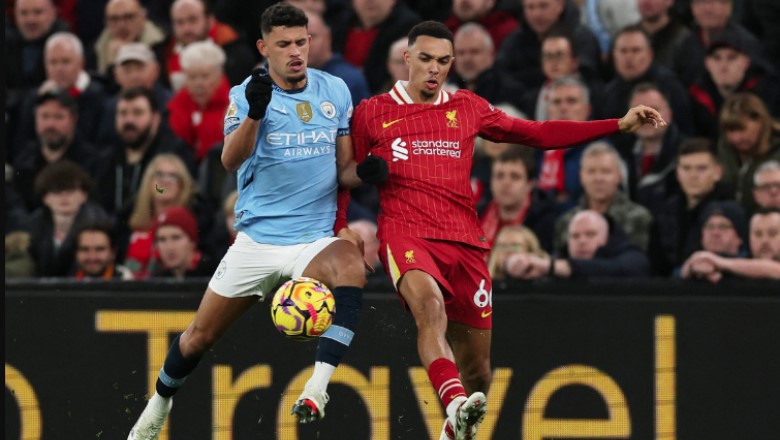
Distinct styles: From Gegenpressing to mid-blocks
Not all pressing systems are identical, as managers adapt the intensity to suit their squad's strengths. Jurgen Klopp’s Gegenpressing became world-famous for its focus on winning the ball back immediately after losing it. The philosophy here is that the opponent is most vulnerable the moment they regain possession.
In contrast, Pep Guardiola’s Manchester City often utilizes a high-block press to sustain dominance, keeping the ball in the opponent's half for extended periods. In the current season, we also see a rise in "selective pressing," where teams maintain a disciplined mid-block and only apply maximum pressure when the ball enters the middle third of the pitch.
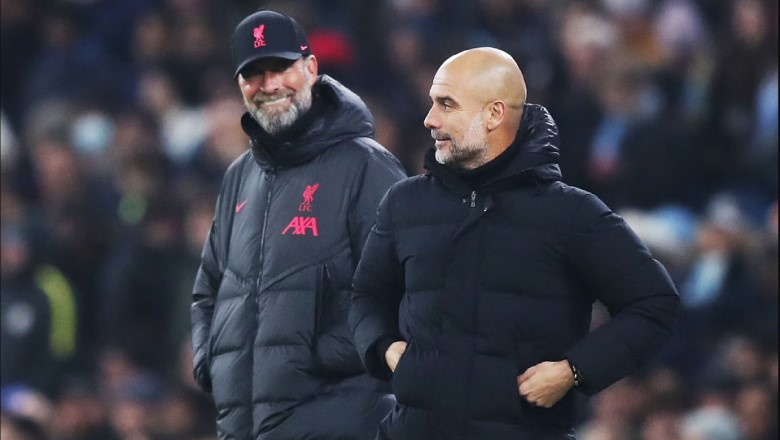
Real-world examples: Strategic dominance in action
A definitive example of what is pressing in football can be seen in the tactical evolution of elite Premier League sides. Arsenal’s recent form has focused on a "man-oriented" press, where each player is assigned a specific opponent to shadow during the build-up phase. This was particularly evident in high-stakes matches where the relentless pressure in the final third prevented opponents from establishing any meaningful rhythm.
By forcing the goalkeeper to play long under duress, the pressing team can win aerial duels and restart their attack from an advanced position, proving that a well-executed press can negate technical superiority by simply removing the opponent's time to think.
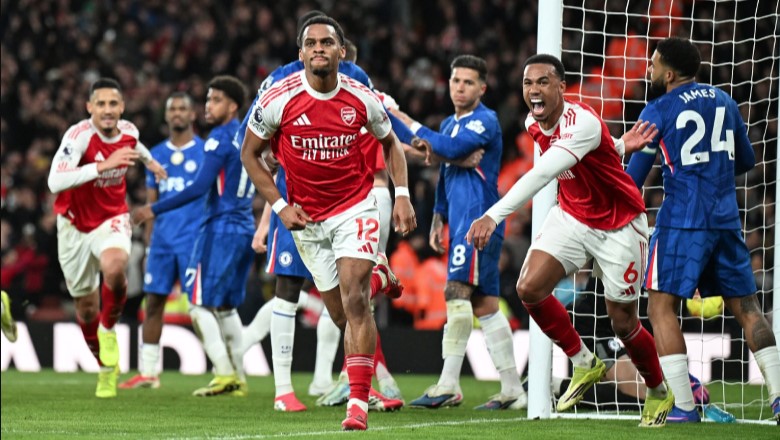
Mastering the concept of what is pressing in football allows supporters to see the game through the lens of a professional coach. It is a high-risk, high-reward strategy that demands total synchronicity and peak physical condition.
As tactical trends continue to evolve, the ability to manipulate space through collective pressure remains the defining characteristic of the world's most successful teams. Whether it is a full-pitch hunt or a calculated trap, the press is the heartbeat of modern footballing strategy.
Staying informed on team tactics and checking the upcoming schedules is the best way to anticipate which high-intensity matchups will define the season. For the most reliable match previews and technical data, visit nowgoalmobile.com today to prepare for all the action on the upcoming schedules.
The Most Popular
-
 How many games in a La Liga season? Measuring the intensity of Spain’s most thrilling league
 -
 From iconic blue to global symbol: Discovering the France football team jersey history
 -
 5 Portugal biggest wins in football history: No Cristiano Ronaldo at the two greatest shows
 -
 Who scored the most goals against Arsenal? The Gunners' biggest tormentor once came through the club’s youth ranks
 -
 Top 10 players who played for both Liverpool and Barcelona: No.1 completed a historic treble, while the most expensive became a flop
 -
 The Egyptian King discovery: What position does Salah play for Liverpool?
 -
 How African countries qualify for World Cup? Ranking top 5 most frequent African participants at the final tournament
 -
 Why did Marcelo leave Real Madrid? The emotional farewell of a left-side legend
 -
 How much did Arsenal pay for Gabriel? Discovering the transfer of the North London red wall
 -
 How much did Barcelona pay for Dembele? Big-money move that turned into a nightmare at Camp Nou