
10 biggest Japanese top football clubs: No.1 became popular by signing 'the White Pele'
The professional J.League only officially launched in 1993, yet the rapid structural discipline of these organizations has allowed them to dominate the Asian continental stage within just three decades. According to the strategic performance charts on Nowgoalmobile, the evolution of Japanese top football clubs is not merely a result of financial investment but a relentless commitment to technical excellence and long-term youth development.
From the pioneering foundations laid by international legends to the modern tactical sophistication of today’s powerhouses, these clubs represent a unique footballing culture that balances traditional corporate stability with an ambitious, forward-thinking approach. This remarkable professionalization has turned a relatively young league into a global benchmark for administrative and sporting success in the modern era.
10 biggest Japanese top football clubs
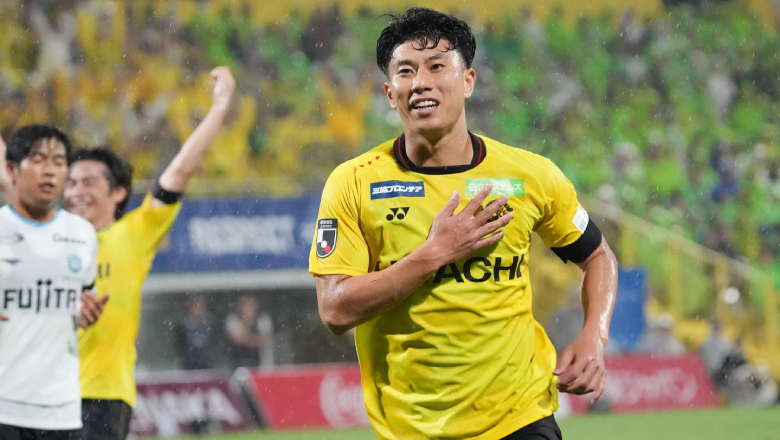
10. Kashiwa Reysol
The "Sun Kings" of Chiba represent a storied history of resilience and tactical evolution within the Japanese top flight. Kashiwa Reysol remains the only club in J-League history to win the championship immediately after earning promotion from the second division in 2011.
Their identity is built on a high-intensity pressing game and a prolific youth academy that consistently feeds talent into the national team. While they have experienced periods of fluctuation, the club's passionate "Hitachi" stadium atmosphere and their commitment to an attacking philosophy ensure they remain a formidable threat to any domestic opponent, blending traditional grit with modern tactical requirements.
9. Jubilo Iwata
Hailing from Shizuoka, the traditional heartland of Japanese football, Jubilo Iwata was once the most dominant force in the early years of the professional era. Their golden period in the late 1990s and early 2000s saw them capture three league titles and an Asian Club Championship, defined by a highly technical passing game.
Although the club has faced challenges in recent seasons, including transitions between divisions, their historical prestige and massive fan base remain intact. Jubilo continues to focus on rebuilding their status through structured recruitment and a deep-rooted footballing culture that emphasizes collective discipline over individual stardom in the J1 League.

8. Nagoya Grampus
Backed by the industrial might of Toyota, Nagoya Grampus is a club synonymous with ambition and significant financial investment. Their most iconic era was spearheaded by the legendary Arsène Wenger, whose influence paved the way for the club's eventually successful title charge in 2010.
Nagoya is characterized by a robust defensive structure and a clinical efficiency on the counter-attack, often utilizing high-profile international signings to bolster their domestic campaigns. The "Grampus" identity remains centered on professional excellence and a desire to reclaim their position at the summit of Japanese football through sustainable long-term planning and world-class training facilities in the Aichi Prefecture.
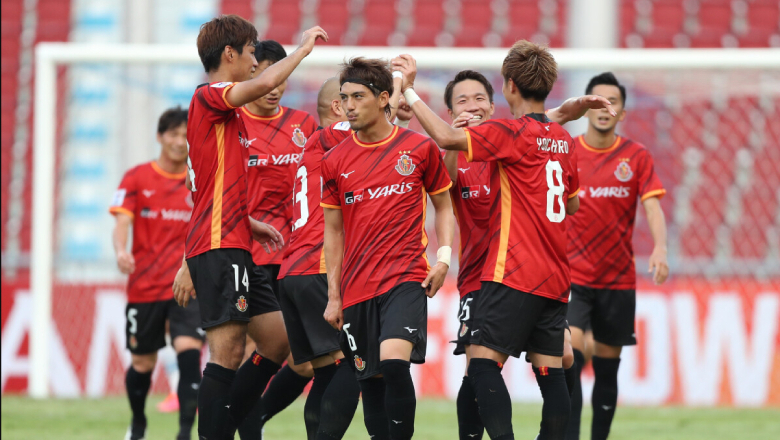
7. Vissel Kobe
Commonly referred to as the "Galacticos" of the J-League, Vissel Kobe has radically shifted the Japanese footballing landscape through their high-profile recruitment strategy. By attracting global icons like Andrés Iniesta and David Villa, the club successfully integrated elite European technical standards into their domestic philosophy.
This ambitious project culminated in their historic first J1 League title in 2023, proving that their heavy investment could yield tangible silverware. Vissel Kobe continues to blend world-class technical flair with a high-octane offensive style, maintaining their status as one of the most glamorous and dangerous squads currently operating in Asian club football today.

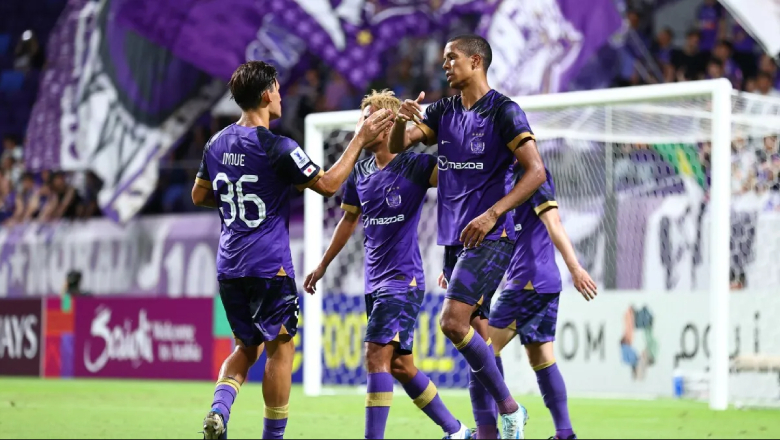
6. Sanfreece Hiroshima
Representing the "Three Arrows" of tactical unity, Sanfreece Hiroshima is widely respected for their elite coaching and sustainable squad development. The club enjoyed a golden era under Hajime Moriyasu, capturing three league titles in four years through a sophisticated 3-4-2-1 system that revolutionized Japanese tactical thinking.
Hiroshima’s strength lies in their ability to remain competitive despite operating with a more modest budget than their metropolitan rivals. Their commitment to a clear footballing identity and a prolific scouting network ensures they are perennial contenders, consistently producing tactically intelligent players who excel both domestically and on the international stage during Asian competitions.
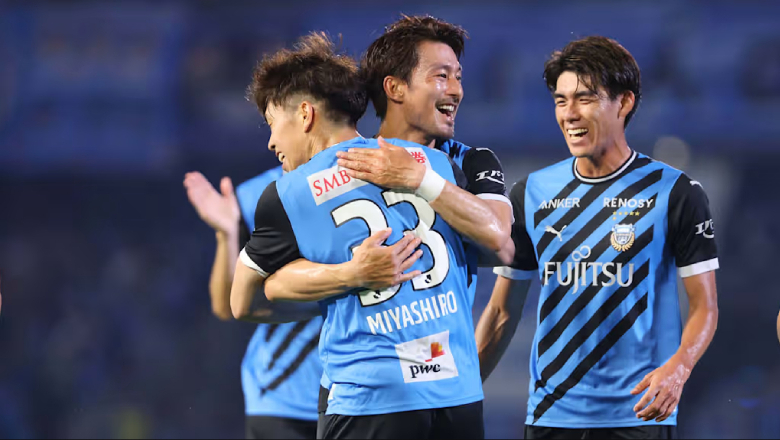
5. Kawasaki Frontale
Kawasaki Frontale has redefined the aesthetic standards of Japanese football over the last decade through a relentless commitment to attacking fluidity and possession dominance. Under the transformative leadership of Toru Oniki, the club secured four league titles in five years, establishing one of the greatest dynasties in J-League history.
Their style is characterized by intricate short passing and an incredible collective chemistry that often leaves opponents chasing shadows. Kawasaki remains a hub for technical excellence, consistently developing players who possess the spatial awareness and technical composure to dominate the rhythm of any match, regardless of the level of domestic or continental opposition.
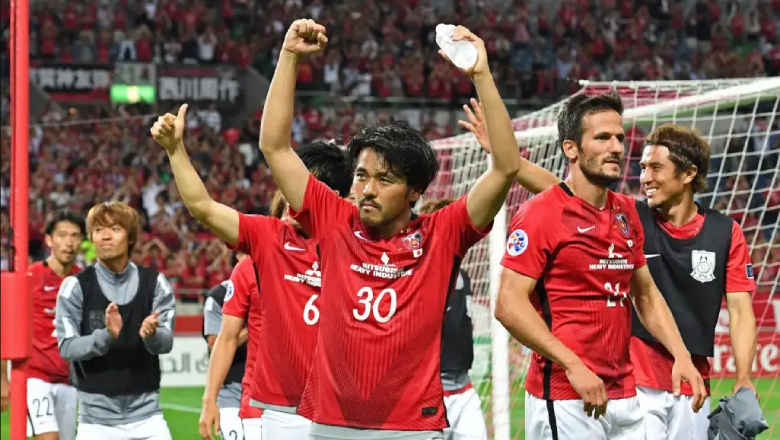
4. Urawa Red Diamonds
As the best-supported club in Japan, the Urawa Red Diamonds represent the sheer scale and passion of the domestic game. Hailing from Saitama, the "Reds" boast a massive fan base that creates an intimidating atmosphere at the Saitama Stadium 2002. Their history is defined by continental success, having secured three AFC Champions League titles, the most of any Japanese club.
Urawa’s identity is built on a foundation of physical grit and a direct attacking philosophy that reflects the uncompromising nature of their supporters. They remain a massive force in Asian football, combining professional administrative power with a relentless pursuit of trophies.
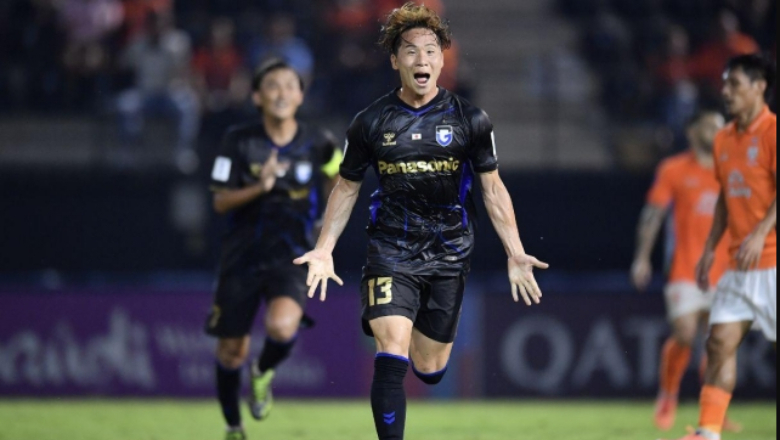
3. Gamba Osaka
Gamba Osaka is a club defined by technical craft and a storied history of developing some of Japan’s most legendary playmakers. Their treble-winning campaign in 2014 remains one of the most iconic achievements in domestic history, showcasing a perfect blend of tactical balance and individual brilliance. Based in Suita, Gamba is renowned for an expansive style of play that prioritizes creative freedom and offensive output.
Despite experiencing periods of defensive fragility, the club’s ability to produce world-class talent and their consistent presence in the latter stages of cup competitions ensure they remain a central pillar of the Japanese professional game.
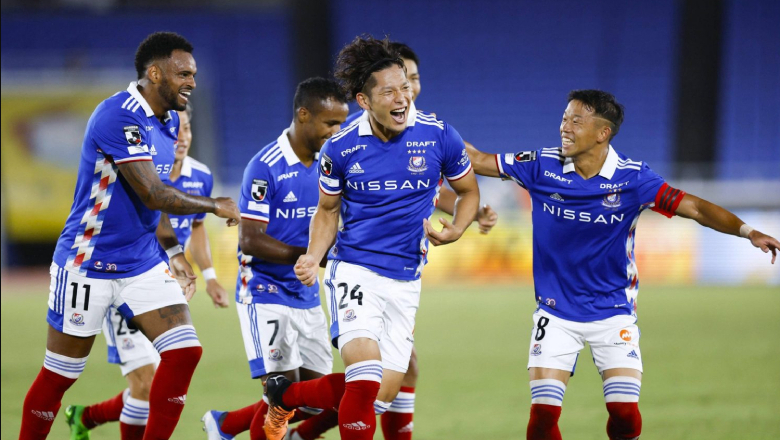
2. Yokohama F-Marinos
As a founding member of the J-League and a key part of the City Football Group network, Yokohama F-Marinos represents the pinnacle of modern tactical innovation. Their attacking Football philosophy, characterized by a high defensive line and extreme verticality, has made them the most entertaining side in the country. This bold approach yielded multiple league titles and established a blueprint for high-intensity football in Asia.
Yokohama’s success is built on a sophisticated data-driven recruitment model and a relentless commitment to their identity, ensuring they are always at the forefront of the hunt for domestic and continental silverware.
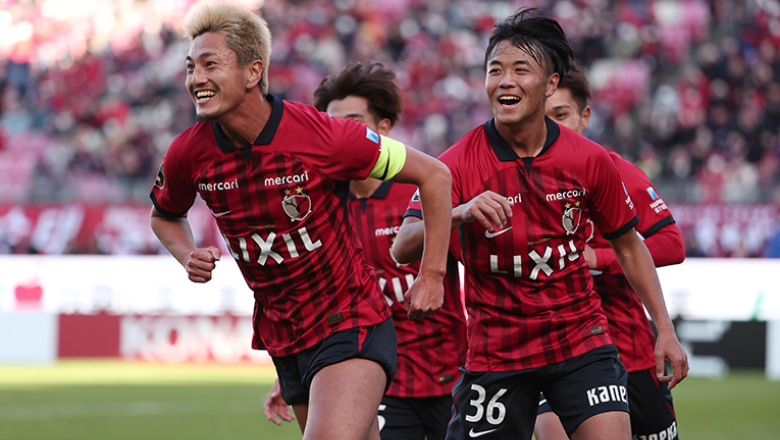
1. Kashima Antlers
Sitting at the summit of Japanese football, the Kashima Antlers are the most successful club in the nation’s history. Their elite professional standards were established by the legendary Zico, who joined the club in 1991 and implemented a culture of absolute discipline and winning. With a record-breaking nine J1 League titles, the Antlers have built a legacy of unparalleled domestic dominance.
Their identity is centered on psychological resilience and a clinical ability to secure results in high-pressure scenarios. Based in Ibaraki, Kashima’s professional infrastructure and history of producing national captains make them the definitive benchmark for excellence in Asian football.
10 biggest Japanese top football clubs:
1. Kashima Antlers
2. Yokohama F-Marinos
3. Gamba Osaka
4. Urawa Red Diamonds
5. Kawasaki Frontale
6. Sanfreece Hiroshima
7. Vissel Kobe
8. Nagoya Grampus
9. Jubilo Iwata
10. Kashiwa Reysol
The remarkable consistency and tactical evolution of these organizations prove that the nation's footballing identity is built on a foundation of professional excellence. Analyzing the impact of the japan top football clubs offers a profound perspective on how the J-League has maintained its status as a premier destination for elite Asian talent.
From the historical dominance of Kashima to the modern attacking brilliance of Yokohama, these clubs provide the essential platform for the stars of the future. As the professional game continues to professionalize, the structural integrity and technical quality of these elite institutions will remain the primary differentiator in the pursuit of domestic and continental glory.
Staying updated with the latest football news and match reports is essential for fans following the rise of Japanese football. For the most reliable data and professional updates, make nowgoalmobile.com your primary destination for J-League analysis today.
The Most Popular
-
 How many games in a La Liga season? Measuring the intensity of Spain’s most thrilling league
 -
 From iconic blue to global symbol: Discovering the France football team jersey history
 -
 5 Portugal biggest wins in football history: No Cristiano Ronaldo at the two greatest shows
 -
 Who scored the most goals against Arsenal? The Gunners' biggest tormentor once came through the club’s youth ranks
 -
 Top 10 players who played for both Liverpool and Barcelona: No.1 completed a historic treble, while the most expensive became a flop
 -
 The Egyptian King discovery: What position does Salah play for Liverpool?
 -
 How African countries qualify for World Cup? Ranking top 5 most frequent African participants at the final tournament
 -
 Why did Marcelo leave Real Madrid? The emotional farewell of a left-side legend
 -
 How much did Arsenal pay for Gabriel? Discovering the transfer of the North London red wall
 -
 How much did Barcelona pay for Dembele? Big-money move that turned into a nightmare at Camp Nou